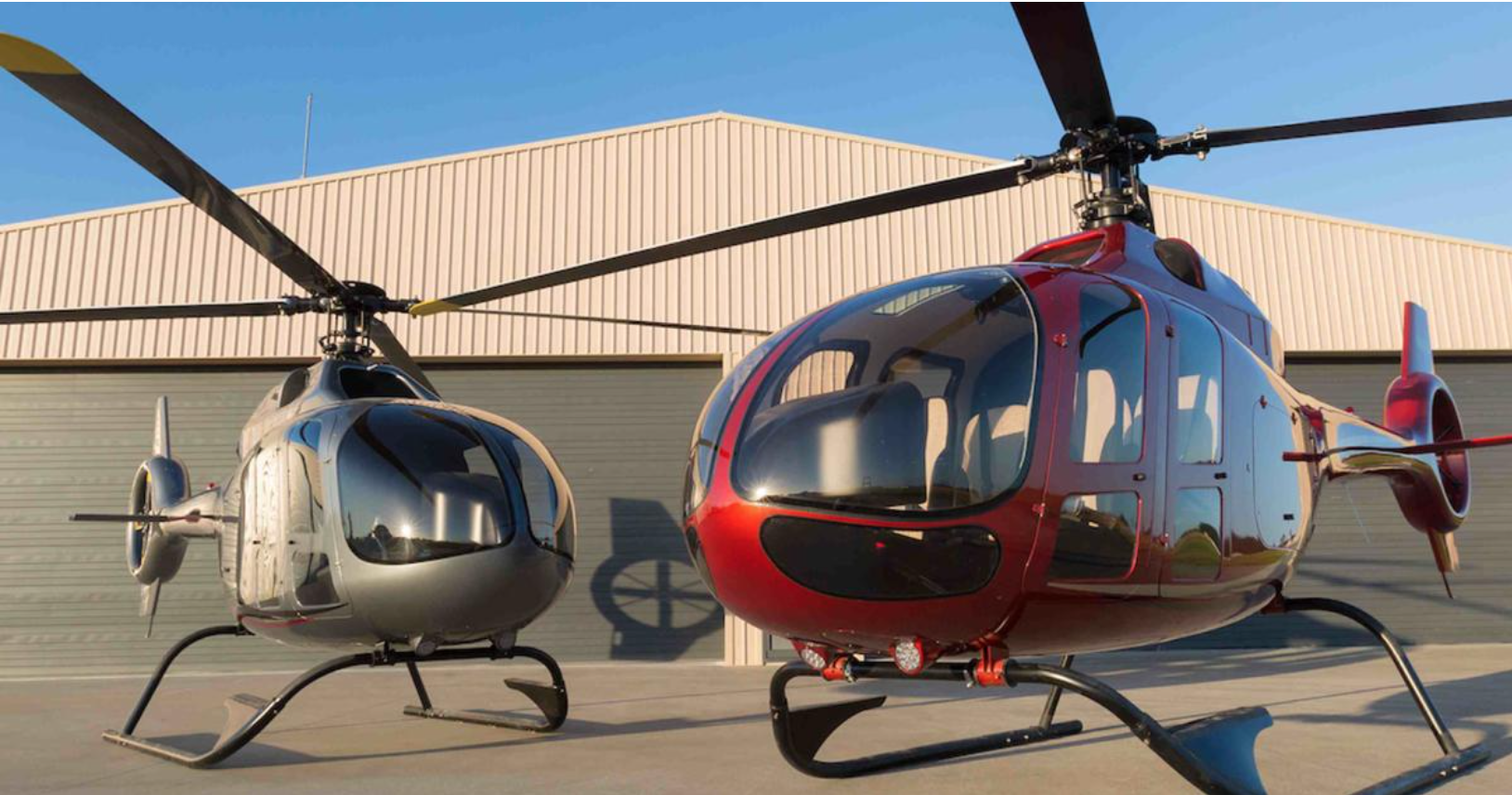
Carbon fiber is a game-changer for helicopter parts, making them lighter, stronger, and more efficient. Its durability, combined with resistance to harsh conditions, enhances performance and safety in modern aviation.
In the contemporary landscape of aerospace engineering, innovation is non-negotiable. One astonishing development shaping the future of helicopter parts is the integration of carbon fiber. Known for its exceptional strength-to-weight ratio and versatility, carbon fiber is redefining what is possible in the aviation industry.
The Advantages of Carbon Fiber in Helicopter Design
There are numerous carbon fiber advantages when utilized in helicopter parts. Its low density and high tensile strength allow for components that are remarkably lightweight yet structurally sound. For instance, integrating carbon fiber into rotor blades, fuselage structures, and other key aircraft parts enhances performance by improving fuel efficiency.
According to research by the National Aeronautics and Space Administration (NASA), using carbon fiber composites can lead to a reduction in weight by up to 40% compared to conventional materials.
Enhanced performance due to reduced overall weight
Improved fuel efficiency
Resistance to fatigue and chemical corrosion
Greater design flexibility
“United States Department of Defense
Passionately dedicated to those who serve and protect. As our technology advances, we are seeing more composite material in the hands of the men and women of our armed forces. We are proud of our role in their lives and are passionate about their safety. Find out how we devote ourselves to quality for our heroes.”